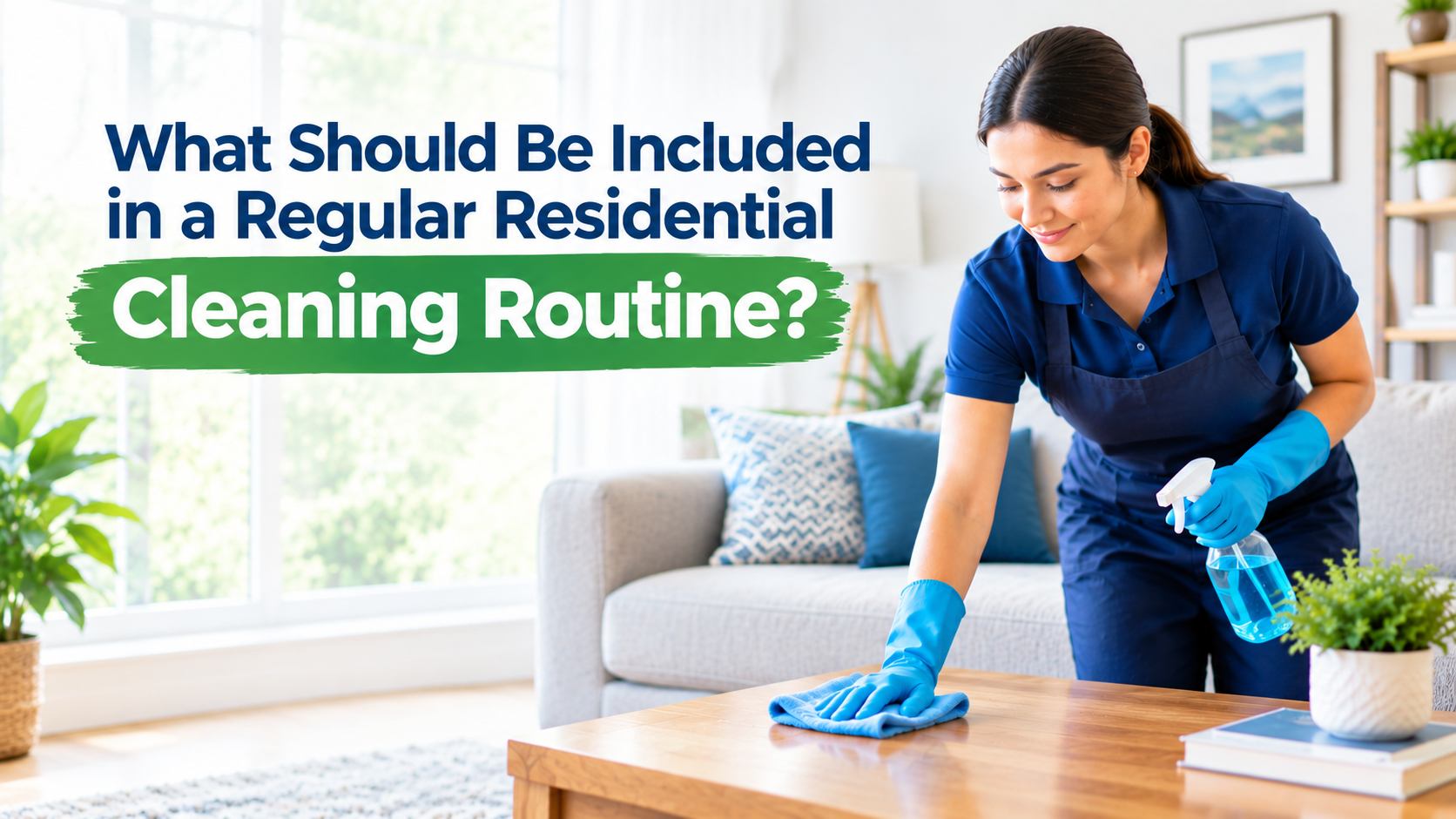
What Should Be Included in a Regular Residential Cleaning Routine?
A regular residential cleaning routine should cover six areas weekly: high-touch surfaces, kitchens, bathrooms, floors, bedding, and trash. Everything else, such as ovens, vents, baseboards, windows, belongs on a monthly or quarterly rotation instead.
That's the short answer. Routines rarely fail from laziness. The American Cleaning Institute found 87% of Americans feel their best, mentally and physically, when their home is clean, yet plenty of households stall out by Wednesday.
If you're weighing regular residential cleaning services in Naperville against doing it yourself, here's what belongs in the routine, how often each task should happen, and the mistakes that quietly waste the work. Hero Cleaning walks through it below.
What Should a Regular Residential Cleaning Routine Include?
Six areas form the weekly backbone. Miss one and the rest degrade faster, because dirt travels between rooms instead of staying put. You notice within a couple of weeks.
High-touch areas: door knobs, light switches, remote controls, handrails, faucets.
Kitchen: countertops, sink, stove, exterior of appliances, floors.
Bathrooms: toilet, sink, shower, bathtub, mirror, floors.
Floors: swept, mopped, and vacuumed.
Bedding and other soft surfaces: sheets changed, rugs vacuumed.
Trash: emptied and relined before it overflows.
The order isn't arbitrary. The CDC recommends cleaning high-touch surfaces regularly and other surfaces when they're visibly dirty, because that's how germs move through a household. Baseboards matter, but they require proper maintenance, not just the weekly spin.
How Often Should Each Task Be Done?
Frequency is where routines go sideways. Cleaning too rarely lets grime compound; cleaning everything too often burns your Saturday for no reason. A realistic recurring cleaning schedule looks roughly like this:
High-touch surfaces: Weekly (more if someone is sick)
Kitchen counters and sink: Daily wipe, weekly scrub
Toilets and showers: Weekly
Floors: Weekly
Bed sheets: Weekly
Ovens, vents, baseboards: Monthly to quarterly
Windows, glass, and tracks: Twice a year
The Sleep Foundation recommends washing sheets weekly, more often than many households manage, and a good example of a task that's easier to hand off than to remember.
Room by Room: What Belongs in a Weekly Clean?
Each room presents unique hazards, but treating them all equally would mean wasting time cleaning surfaces that never presented an issue to begin with. This is where those seven days should be spent.
Kitchen: The Highest-Stakes Room
Why? The combination of food, water, and heat makes the kitchen the most dangerous room in the house. NSF International warns sponges and dish rags pick up bacteria during cleaning and become prime germ spots without regular sanitizing.
Bathrooms: Moisture Management First
Anything that stays wet deserves priority. Make sure you clean and disinfect your toilet on a weekly basis, scrub the shower and bathtub, and never forget the floors surrounding the toilet seat. The buildup in grout and caulk occurs first.
Living and Bedroom Spaces: Dust and Dander
Bedrooms become accumulators of dust, skin, and pet dander. The AAFA indicates that 80% of American people suffer from dust mites, while 60% suffer from cats' or dogs' dander. Vacuum weekly.
Floors and Touchpoints: The Forgotten Half
Frequent cleaning of the floor is performed; not so often does the light switch get cleaned. According to the EPA, use a vacuum cleaner with a properly designed HEPA filter. Wipe handles and switches too.
Stop Spending Your Day Off on House Cleanings
What Do Most People Get Wrong?
Three mistakes show up in household routines over and over. It quietly undoes the effort that you have made, which is why a two-hour cleaning job seems meaningless by Sunday.
Cleaning vs. Disinfecting
These two terms can’t be used interchangeably. According to CDC guidelines, cleaning should always come before disinfecting, as dirt prevents the disinfectants from getting to the pathogens. Only use disinfectants when someone is sick.
Using Dirtied Equipment
A dirty mop distributes the bacteria rather than eliminating them. In a study conducted in 2022 regarding the level of bacteria in kitchen sponges, it was seen that they contained high levels of bacteria.
Skipping the Rotation
Monthly and quarterly jobs never happen unless something forces them onto a calendar. In a city with hard winters, window cleaning in Chicago is a twice-a-year job, not a weekly one. Same goes for vents and baseboards.
DIY Routine or Regular Residential Cleaning Services in Naperville?
Many people use both systems at once: they clean their daily messes and do laundry and then hire professional cleaners to do their heavy-duty cleaning in Naperville. Deep cleaning is when it takes the most time and effort.
Why Hero Cleaning Can Be Integrated Into Your Cleaning Schedule
Since 2017, Hero Cleaning has been cleaning residential and commercial properties in Chicagoland, and it operates on the principle of regular servicing rather than emergency help. Let's have a look at what it offers:
Toxin-free cleaning: cleaning products that are safe for children, pets, and food contact surfaces.
Flexibility in schedule: one-time, weekly, biweekly, and monthly schedules are available.
Scope definition: a checklist that includes what will be done.
Additional services: oven or microwave cleaning, changing linens, pet hair cleaning.
Local area: Chicago, Naperville, and surrounding suburbs.
Want a Checklist That Actually Gets Done?
Book a Recurring Cleaning Plan
A Routine You Stick With Beats a Perfect One
The list matters less than the rhythm. Six weekly zones, a monthly rotation, and honest accounting for what you'll never enjoy doing- that's a routine that survives a busy month.
If DIY keeps slipping, regular residential cleaning services in Naperville handle the recurring work while you keep the small stuff. For tasks outside a standard scope, like a window cleaning in Chicago after a rough winter, bring in a specialist and leave the rest to the routine.
FAQs
Does Hero Cleaning provide periodic residential cleaning service in Naperville?
Yes, Hero Cleaning provides periodic residential cleaning services to Naperville residents on a weekly, bi-weekly, and monthly basis, along with deep cleanings, and there is a checklist available for each package that outlines all the aspects to be covered during the cleaning process.
How often should a house be cleaned?
Cleaning once a week is enough for all houses; this includes the floors, bathrooms, kitchens, and high-touch places. In houses where pets, allergies, and small kids are involved, clean certain areas more frequently, while small apartments delay cleaning of certain areas. It is necessary that bedsheets be cleaned every week regardless of the apartment's size.
What is the difference between regular cleaning and deep cleaning?
Regular cleaning is performed once a week in a house, involving the cleaning of all surfaces, floors, bathrooms, kitchens, and trash. Deep cleaning involves the cleaning of the buildup of dirt in an apartment, including grout, baseboards, vents, and the interior of appliances.
Are chemical-free products as effective as bleach?
Yes, for regular cleaning. Soap and water help clean most of the dirt and bacteria from everyday surfaces. The CDC suggests disinfectants when there is illness in the area. For regular cleaning, chemical-free cleaning agents are preferred, but bleach-based disinfectants are still used for illness purposes.
What cleaning activities tend to be neglected?
Light switches, door handles, remote controls, toilet bases, and the floors around them. Vacuum filters, trash bin insides, and shower curtains. Windows are another one — glass and tracks get skipped for months, which is why twice-a-year cleaning works better than pretending weekly is realistic.